Depart Chikatsuyu and Begin Hike (10:00–12:00)
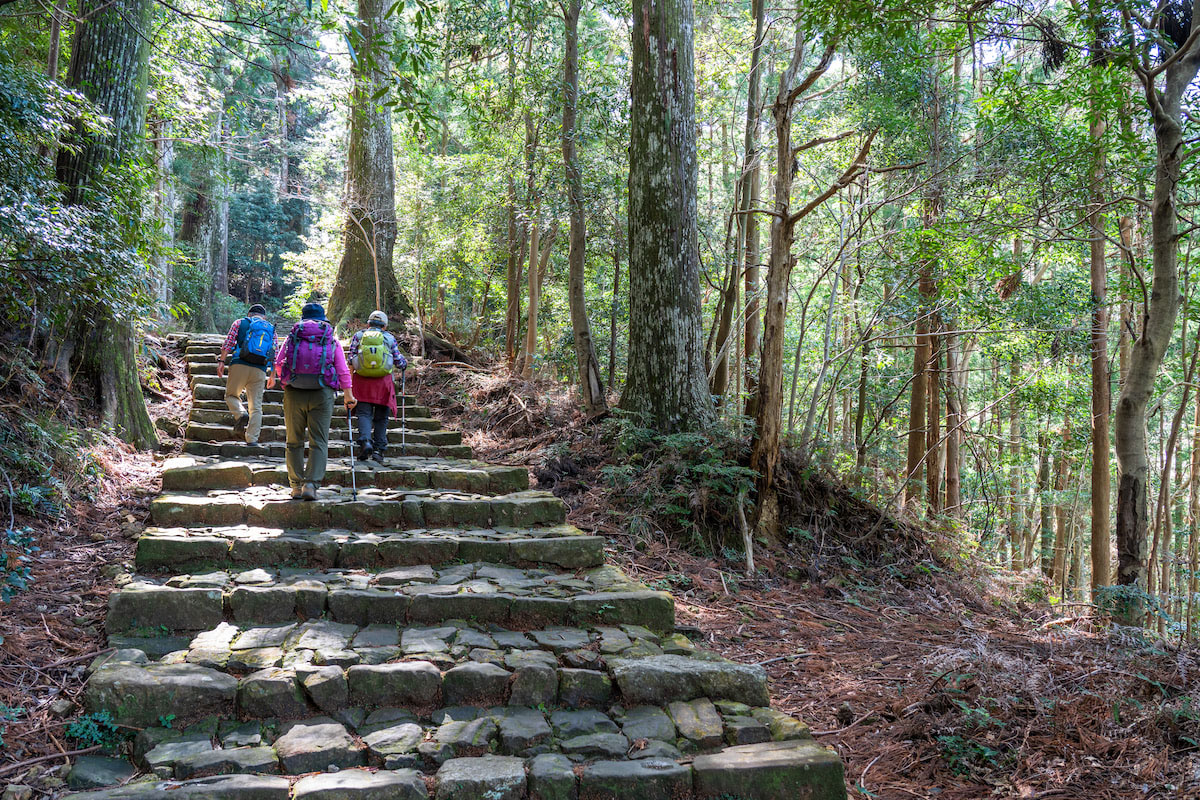
Set off from Chikatsuyu-oji, walking a 4 km section of the Nakahechi Route. This stretch passes through wooded paths and quiet hamlets, offering a glimpse of the rural lifestyle preserved along the pilgrimage road.
Tsugizakura-oji (12:00–12:30)
Visit Tsugizakura-oji, a notable subsidiary shrine where giant cedar trees—some over 800 years old—stand sentinel. The shrine is historically significant as a place where emperors and aristocrats paused to pray.
Nonaka Ipposugi Bus Stop (12:30–13:00)
Pass the Nonaka Ipposugi, a towering single cedar tree that has long served as a landmark for travelers.
Hosshinmon-oji to Kumano Hongu Taisha (13:00–16:00)
Continue a 7 km hike from Hosshinmon-oji, the “gate of awakening of the aspiration to enlightenment,” to the grand Kumano Hongu Taisha. This section, taking about 2.5–3 hours, is one of the most spiritual and scenic parts of the trail, leading directly to the sacred precincts.
Hyakken-gura Lookout Point (16:00–16:30)
Pause at Hyakken-gura, a panoramic viewpoint overlooking the mountains of the Kii Peninsula. The endless ridges stretching into the distance are among the most celebrated vistas of the pilgrimage.
Mizunomi-oji (16:30–17:00)
Stop briefly at Mizunomi-oji, a small shrine traditionally known as a place for travelers to refresh themselves with spring water.
Arrival at Kumano Hongu Taisha (17:00–18:00)
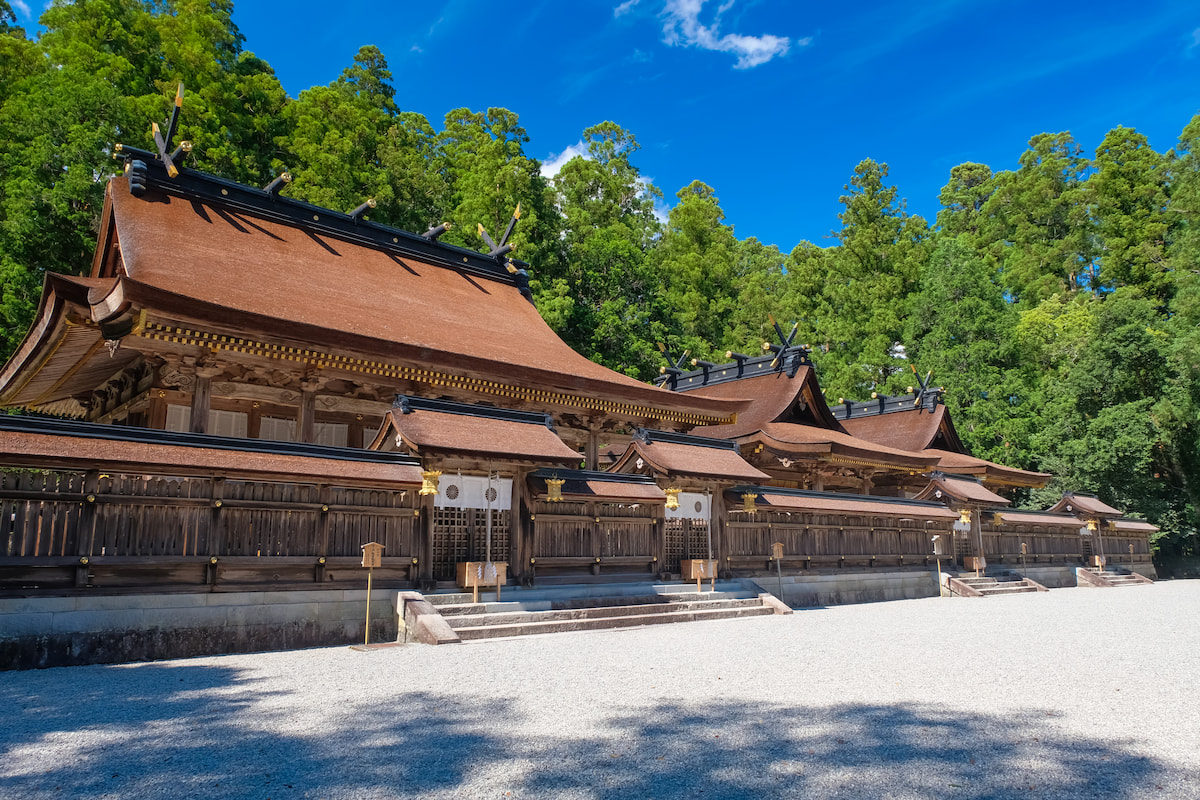
Arrive at Kumano Hongu Taisha, the head shrine of more than 3,000 Kumano shrines across Japan. Its imposing wooden architecture and serene atmosphere mark the spiritual climax of the Nakahechi route.


.jpg)

.jpg)