Koyasan & Kumano Kodo Buddhist Journey

A mindful journey into Buddhist heritage, exploring prayers, temples, and sacred cuisine.

7Days / ~30PAX
Koyasan & Kumano Kodo Buddhist Journey 1
Koyasan & Kumano Kodo Buddhist Journey 2
Koyasan & Kumano Kodo Buddhist Journey 3

Scrolled

For travelers seeking a deeper understanding of Japanese Buddhism.

  • Ideal for those who wish to experience meditation, temple life, and Buddhist rituals.

  • Perfect for culturally curious travelers who value mindful and reflective journeys.

  • Recommended for visitors looking to explore Japan beyond sightseeing and into spiritual heritage.

From $1,655

Please contact directly for application and pricing inquiries.

Tour Overview

This seven-day journey immerses you in the spiritual heart of Japan, traveling from Osaka into the sacred mountains of Wakayama and Nara. Explore Koyasan, the center of Shingon Buddhism, and walk the ancient Kumano Kodo pilgrimage trails. Stay at temple lodgings, join morning prayers, and savor shojin ryori, the refined vegetarian cuisine of monks. Along the way, discover the cultural depth of Buddhist traditions through meditation, tea ceremony, and visits to historic temples such as Sanjusangendo. This tour offers not only exploration of UNESCO World Heritage Sites but also opportunities to connect with Japan’s living Buddhist culture in a meaningful and transformative way.

TOPIC 1

Koyasan – The Spiritual Heart of Shingon Buddhism

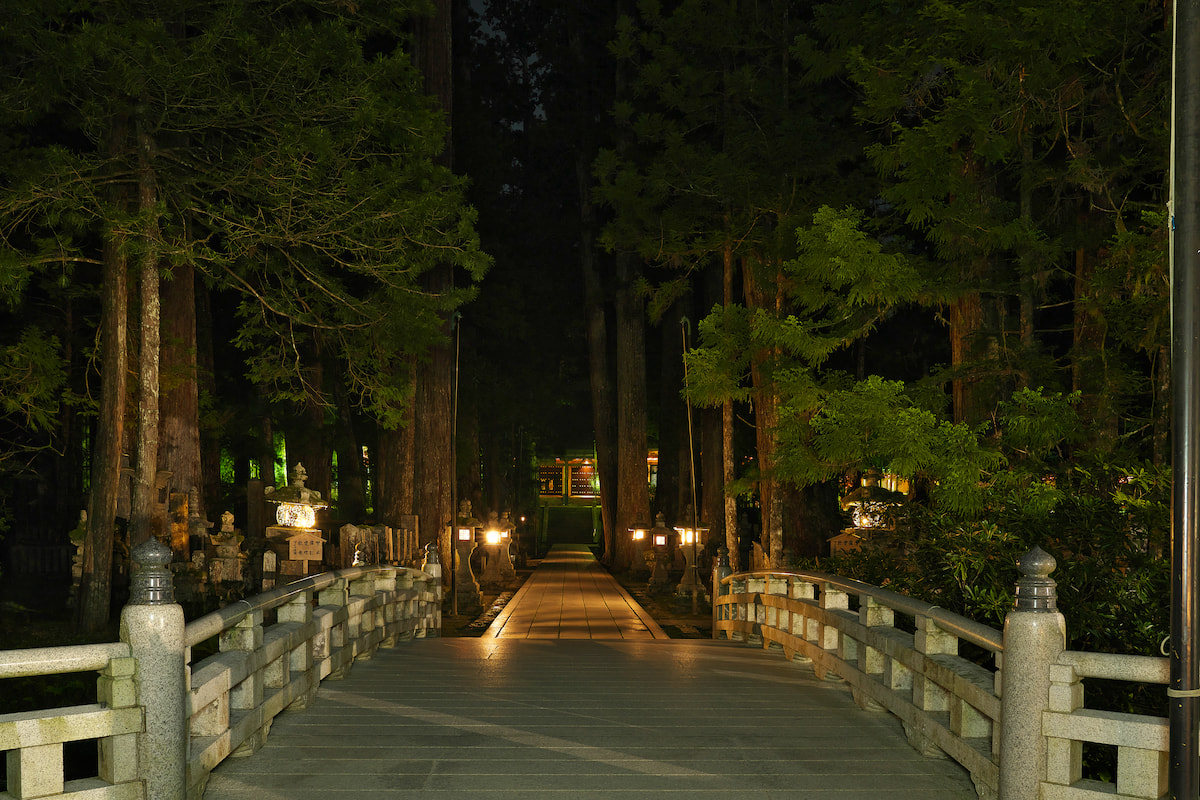
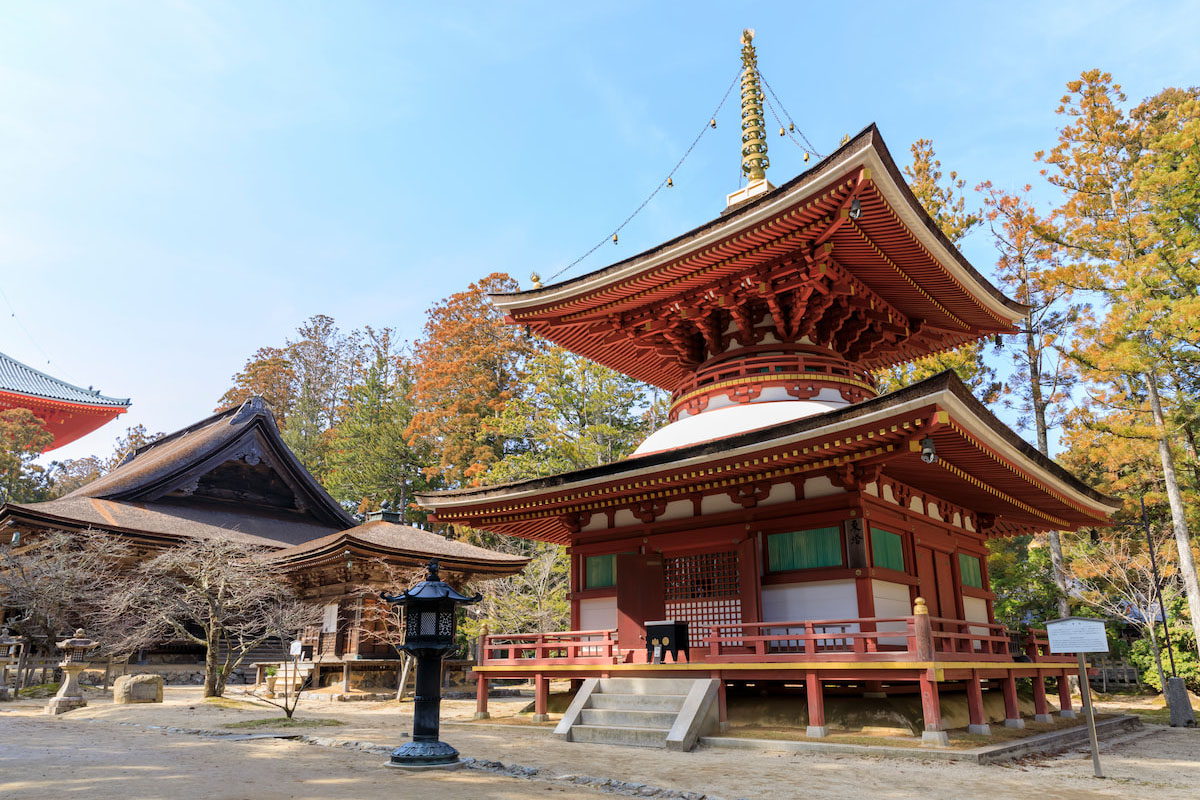
Mount Koya, or Koyasan, has been a sanctuary of Buddhist practice for over 1,200 years, founded by the revered monk Kobo Daishi. Tucked deep in the mountains of Wakayama Prefecture, this sacred area is home to more than one hundred temples and is regarded as the center of Shingon Buddhism. Visitors are welcomed into temple lodgings, where they can experience the rhythm of monastic life—rising early to join morning sutras, walking through temple gardens, and sharing meals with resident monks. Central highlights include Kongobu-ji, the head temple of Shingon Buddhism, and Danjo Garan, a temple complex where towering pagodas and halls symbolize the Buddhist universe. Most moving of all is Okunoin, the resting place of Kobo Daishi. Here, among moss-covered tombstones and lantern-lit pathways, the atmosphere is profoundly spiritual, evoking centuries of devotion and prayer. Strolling through Okunoin by night, guided by flickering lights and enveloped in silence, offers a rare glimpse into the continuity of Japanese faith. A visit to Koyasan is not just sightseeing—it is an immersion into a living Buddhist tradition that continues to shape the cultural and spiritual identity of Japan.
TOPIC 2

Kumano Kodo – Ancient Pilgrimage Pathways

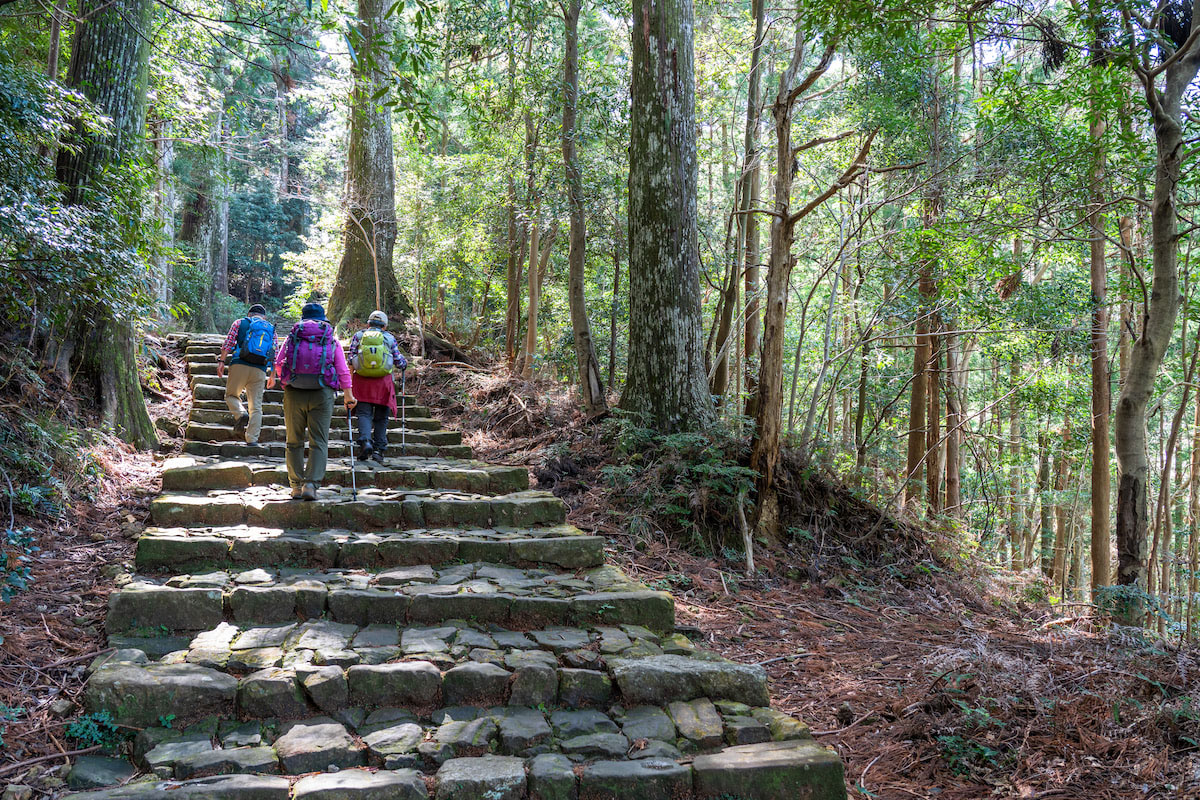
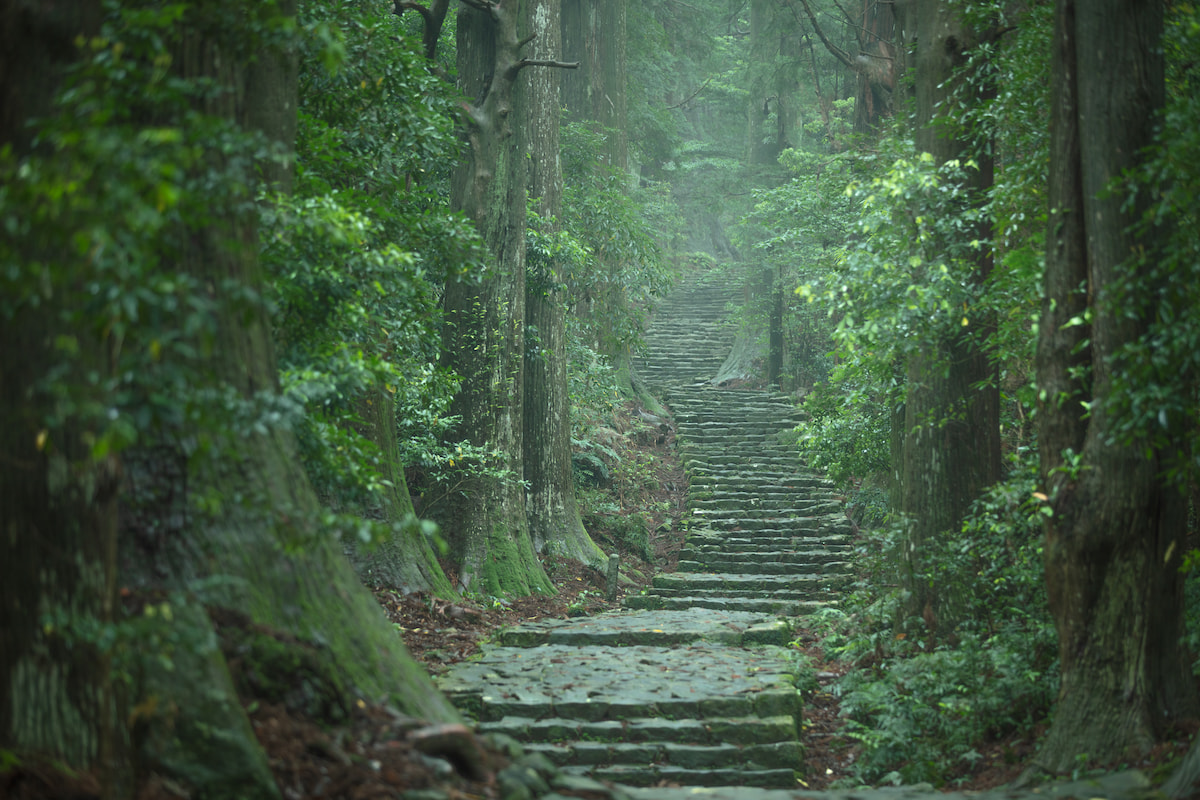
The Kumano Kodo pilgrimage routes trace their way across the rugged mountains of the Kii Peninsula, forming one of the world’s great sacred networks. For more than a millennium, emperors, aristocrats, monks, and common pilgrims have walked these paths in search of spiritual renewal. Today, they are recognized as a UNESCO World Heritage Site, not only for their history but also for the way they embody the fusion of Buddhism, Shinto, and local beliefs. Walking the Kumano Kodo is both a physical and spiritual journey—stone-paved trails wind through towering cedar forests, riverside villages, and mountain passes that test one’s endurance while nurturing contemplation. Along the way, pilgrims encounter small roadside shrines and wayside jizo statues, reminders that every step is part of a sacred passage. The route links the three grand shrines of Kumano—Hongu Taisha, Nachi Taisha, and Hayatama Taisha. Each shrine represents a facet of Kumano’s faith, blending Buddhist cosmology with Japan’s native spirituality. Among them, Nachi Taisha stands beside Japan’s tallest waterfall, a breathtaking backdrop that inspires awe and reverence. Walking the Kumano Kodo allows travelers to become part of an unbroken tradition of devotion, connecting body and spirit with nature and history in an unforgettable way.

TOPIC 3

Shojin Ryori – The Cuisine of Buddhist Tradition

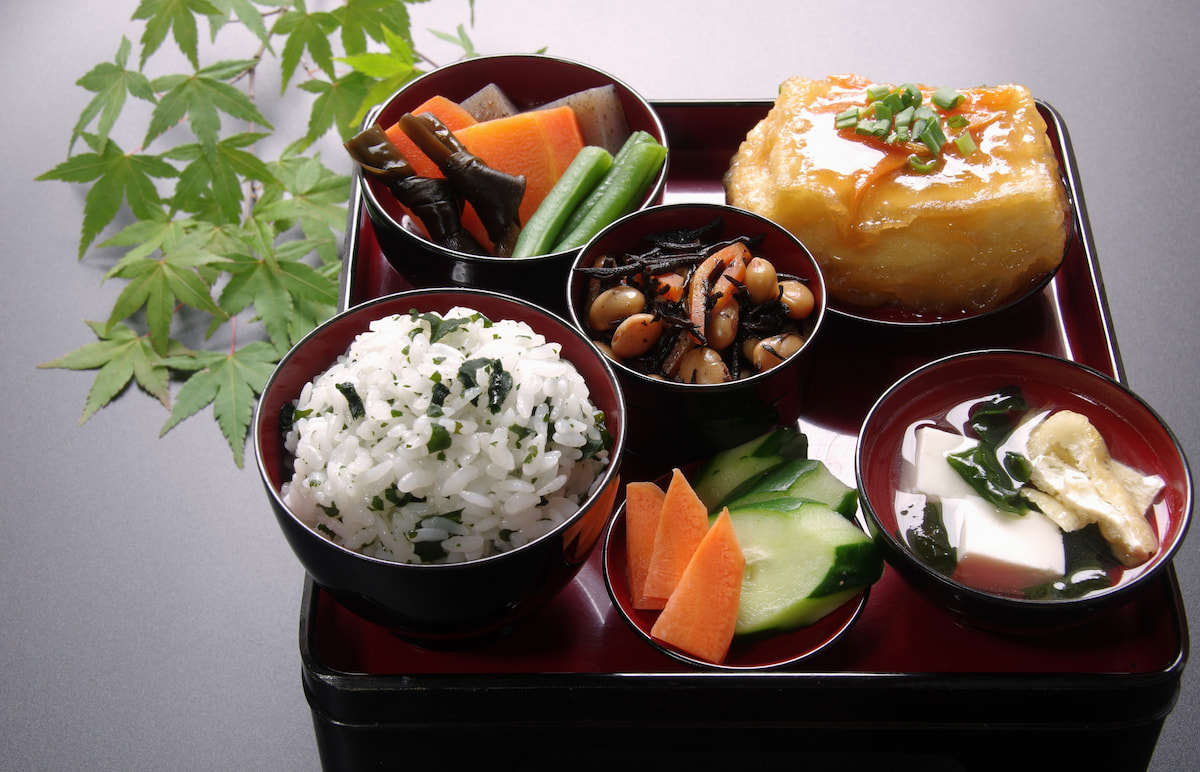
Shojin ryori, the traditional cuisine of Japanese Buddhism, is far more than a style of vegetarian cooking—it is a philosophy of respect for all living beings. Originating in temple kitchens, this culinary tradition avoids meat and fish, instead highlighting seasonal vegetables, tofu, grains, and wild plants. Each dish is carefully crafted to balance the five colors, five flavors, and five methods of preparation, creating harmony on the table that reflects the harmony of the natural world. A typical meal may include sesame-dressed greens, simmered root vegetables, tofu skin (yuba), miso soup with mountain herbs, and delicately arranged pickles. Presentation is considered part of the spiritual practice: dishes are placed to echo seasonal change, the flow of rivers, or the quiet of a forest. Eating shojin ryori is not simply about nourishment but about cultivating mindfulness, gratitude, and awareness of the interconnectedness of life. Guests often describe the cuisine as surprisingly flavorful, subtle yet profound. To enjoy shojin ryori within the serene atmosphere of a temple or a traditional inn deepens the experience, offering not only insight into Buddhist values but also a moment of stillness and inner reflection. It is a meal that feeds both body and spirit, leaving a lasting impression beyond taste.

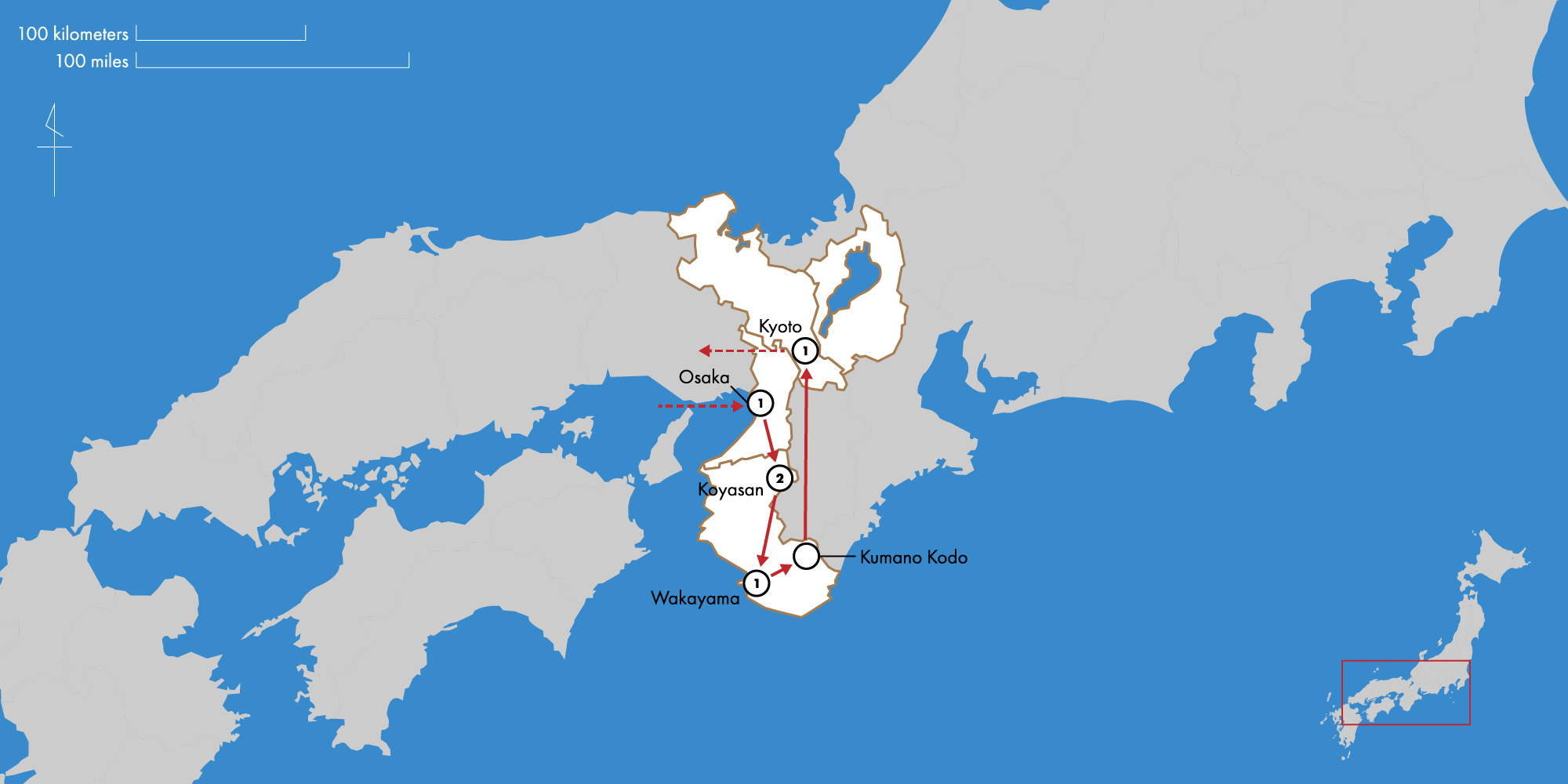
Tour map

Tour Itineraries and Details

Day 1

Arrival in Osaka

Day 1

Arrival and Hotel Check-in (15:30–17:30)

Upon arrival at Kansai International Airport, your group will be greeted by a guide and transferred to your hotel in central Osaka. After check-in, you will have time to rest and adjust to Japan. The guide will provide a short orientation about the coming days, including temple etiquette and the flow of the Buddhist-focused journey.

Included Meals Dinner

Day 2

Journey to Koyasan and Okunoin Night Tour

Day 2

Transfer and Check-in at Fukuchiin (14:30–17:00)

After lunch, the group travels by bus into the sacred mountains of Wakayama, arriving at Koyasan, the spiritual heart of Shingon Buddhism. Here you will check into Fukuchiin, a historic temple lodging known for its serene gardens and traditional architecture. Staying at Fukuchiin offers more than accommodation—it is an immersion into the rhythms of monastic life, where tatami rooms, temple corridors, and the ringing of bells create an atmosphere of reflection and stillness. This transition marks the beginning of the journey into Japan’s Buddhist heartland.

Shojin Ryori Dinner at Fukuchiin (17:30–19:00)

In the evening, you will be served shojin ryori, the traditional vegetarian cuisine of Buddhism. Prepared with seasonal vegetables, tofu, and mountain herbs, the meal reflects principles of harmony, respect for life, and mindfulness. Each dish is carefully arranged to highlight natural colors and flavors, offering nourishment for both body and spirit. Dining within the quiet halls of a temple enhances the experience, making this dinner not only a meal but a lesson in Buddhist philosophy expressed through food.

Okunoin Night Tour (19:30–21:30)

After dinner, you will join a guided night tour of Okunoin, Japan’s largest and most sacred cemetery. More than 200,000 stone monuments line the forest path leading to the mausoleum of Kobo Daishi, founder of Shingon Buddhism. Lanterns softly illuminate the moss-covered tombs, creating an atmosphere both solemn and mystical. Walking in silence, you encounter the weight of centuries of devotion, where emperors, warriors, and commoners rest side by side. Stories shared by the guide deepen the sense of reverence, offering insight into Japanese views of life, death, and eternal compassion. It is a profound experience that lingers long after returning to your temple lodging.

Included Meals Breakfast, Lunch, Dinner

Day 3

Morning Sutras and Exploring Koyasan

Day 3

Morning Sutras and Meditation (06:00–07:00)

The day begins before sunrise as you join monks for morning sutras inside the temple’s main hall. The deep rhythm of chanting fills the air, offering an atmosphere both solemn and calming. After the ceremony, you will take part in a short meditation guided by the monks, experiencing stillness and mindfulness as practiced in temple life. This early morning practice offers a rare opportunity to feel the spiritual essence of Koyasan.

Kongobu-ji Temple (15:00–16:00)

In the afternoon, visit Kongobu-ji, the head temple of Shingon Buddhism. Within its halls, elegant fusuma paintings depict seasonal landscapes, while the vast Banryutei Rock Garden symbolizes dragons rising through clouds. The temple has served as a spiritual and administrative center for over 1,200 years, preserving the teachings of Kobo Daishi. Walking through its corridors, one senses both the weight of history and the serenity of Buddhist practice.

Danjo Garan Complex (16:00–17:30)

Next, explore the Danjo Garan, a temple complex established by Kobo Daishi to represent a mandala in the real world. Its soaring Konpon Daito Pagoda, brilliant vermilion halls, and symbolic layout embody Shingon Buddhist cosmology. The grounds express spiritual philosophy not only through ritual but also through architecture and spatial design. A stroll here reveals how faith is interwoven with artistic and cultural expression.

Shojin Ryori Dinner (18:00–19:00)

Dinner is once again shojin ryori, prepared with care using seasonal mountain vegetables, tofu, and herbs. The simplicity of each dish conveys Buddhist values of mindfulness and gratitude. Eating within temple surroundings, guests gain deeper appreciation for the way cuisine can embody philosophy and provide both nourishment and spiritual reflection.

Sutra Copying Experience (19:30–21:00)

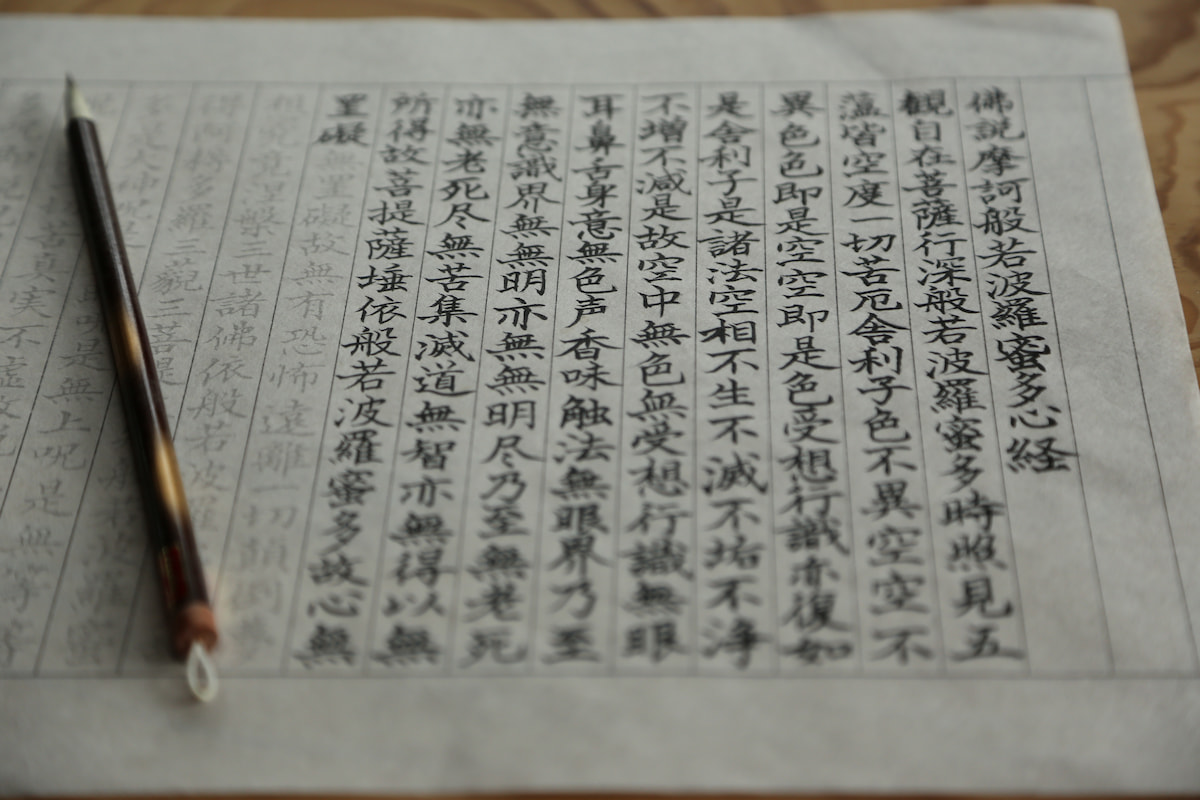
In the evening, participate in a sutra copying session, known as shakyo. Sitting quietly with brush and ink, you trace sacred Buddhist texts, focusing your mind with each deliberate stroke. The practice encourages patience, concentration, and humility, offering a meditative way to internalize Buddhist teachings. Many participants describe it as both calming and rewarding, a peaceful conclusion to the day.

Included Meals Breakfast, Lunch, Dinner

Day 4

Kumano Kodo Pilgrimage and Kumano Hongu Taisha

Day 4

Kumano Kodo Hike (09:30–13:00)

Departing in the early morning, the group travels into the Kii Mountains to walk a 7 km section of the Nakahechi route of the Kumano Kodo, a UNESCO World Heritage Site. The trail winds through quiet forests and stone-paved paths once walked by emperors and pilgrims for centuries. This hike offers both natural beauty and a sense of spiritual tradition, connecting participants with the history of Japan’s most famous pilgrimage route.

Lunch and Visit to Kumano Hongu Taisha (13:30–15:30)

After the hike, enjoy a traditional lunch before visiting Kumano Hongu Taisha, one of the Three Grand Shrines of Kumano. Set in a sacred forest, the shrine has been a focal point of worship for over a thousand years. Walking through its grand torii gate and cedar-lined approach, you feel the solemn presence of faith that has drawn pilgrims to this site for generations.

Transfer to Shirahama and Dinner (16:00–19:30)

In the late afternoon, the group transfers to Shirahama, a coastal town known for its hot springs. After hotel check-in, dinner is served, allowing time to relax and reflect on the day’s pilgrimage through the mountains.

Included Meals Breakfast, Lunch, Dinner

Day 5

Kumano Shrines and Transfer to Kyoto

Day 5

Kumano Nachi Taisha and Nachi Waterfall (10:00–12:00)

After breakfast, the group visits Kumano Nachi Taisha, dramatically set against the 133-meter Nachi Waterfall. This sacred site blends Shinto and Buddhist traditions, its vermilion halls standing in harmony with the natural grandeur of the cascade. Walking the grounds, you sense the deep spiritual connection between nature and faith that has inspired pilgrims for centuries.

Lunch at Nachi Nebokedo (12:00–13:30)

Lunch will be enjoyed at Nachi Nebokedo, a local restaurant offering traditional flavors of the Kumano region. Seasonal dishes highlight the freshness of local ingredients, providing both nourishment and a sense of place after the morning’s exploration.

Kumano Hayatama Taisha (13:30–14:30)

The journey continues to Kumano Hayatama Taisha, one of the revered Kumano Sanzan shrines. Known for its brilliant vermilion buildings and sacred camphor trees, the shrine has long been a central point of worship. Its tranquil grounds offer a direct link to the history of pilgrimage in Japan.

Transfer to Kyoto (14:30–18:30)

In the afternoon, travel by private coach to Kyoto, a journey of around four hours. Along the way, enjoy views of the changing landscapes as the route shifts from coastal Wakayama to Japan’s historic cultural capital.

Kamo River Stroll (18:30–20:00)

After arriving in Kyoto, take a leisurely walk along the Kamo River. This riverside promenade is a favorite evening spot for locals, offering a gentle introduction to the city’s relaxed yet refined atmosphere before dinner.

Included Meals Breakfast, Lunch, Dinner

Day 6

Art, Tea Ceremony, and To-ji Temple

Day 6

Miho Museum (10:00–12:00)

The day begins with a visit to the Miho Museum in Shiga, designed by world-renowned architect I.M. Pei. Surrounded by natural landscapes, the museum houses an exceptional collection of Asian and Western antiquities, blending art, nature, and architecture. Walking through its tunnels and bridges feels like entering a hidden sanctuary.

Tea Ceremony Experience (14:00–15:30)

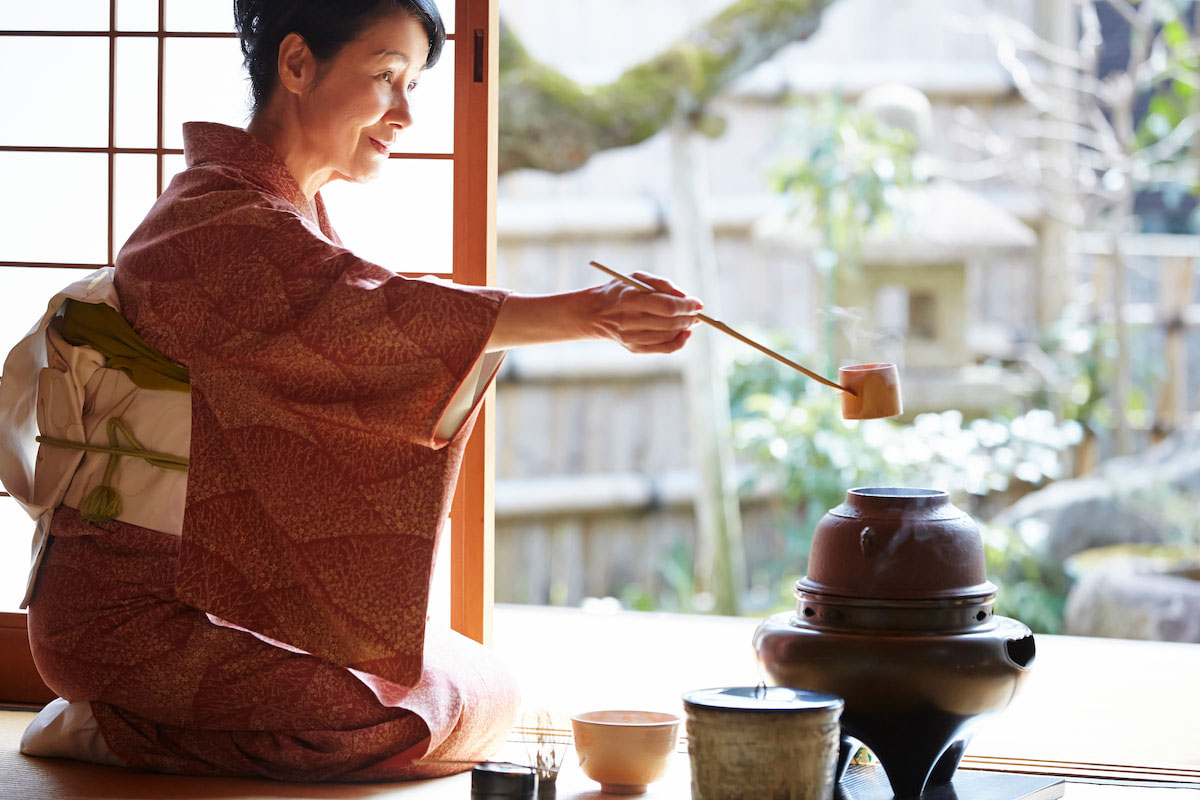
In the afternoon, take part in a traditional tea ceremony. Guided by a tea master, you will learn the philosophy and ritual behind each movement, from preparing the utensils to savoring matcha. This intimate practice reflects the Zen-inspired aesthetics of harmony, respect, purity, and tranquility.

To-ji Temple (15:30–17:30)

Later, visit To-ji Temple, a UNESCO World Heritage Site famous for its five-story pagoda, the tallest wooden tower in Japan. The temple grounds also feature important Buddhist statues and halls, offering insight into the cultural depth of Kyoto’s spiritual heritage.

Included Meals Breakfast, Lunch, Dinner

Day 7

Temples of Kyoto and Departure

Day 7

Ryoan-ji Temple (09:00–10:30)

The day begins with a visit to Ryoan-ji, famous for its Zen rock garden. The simple arrangement of stones and raked gravel embodies the essence of Zen aesthetics, encouraging visitors to find meaning in silence and simplicity.

Sanjusangendo (10:30–12:00)

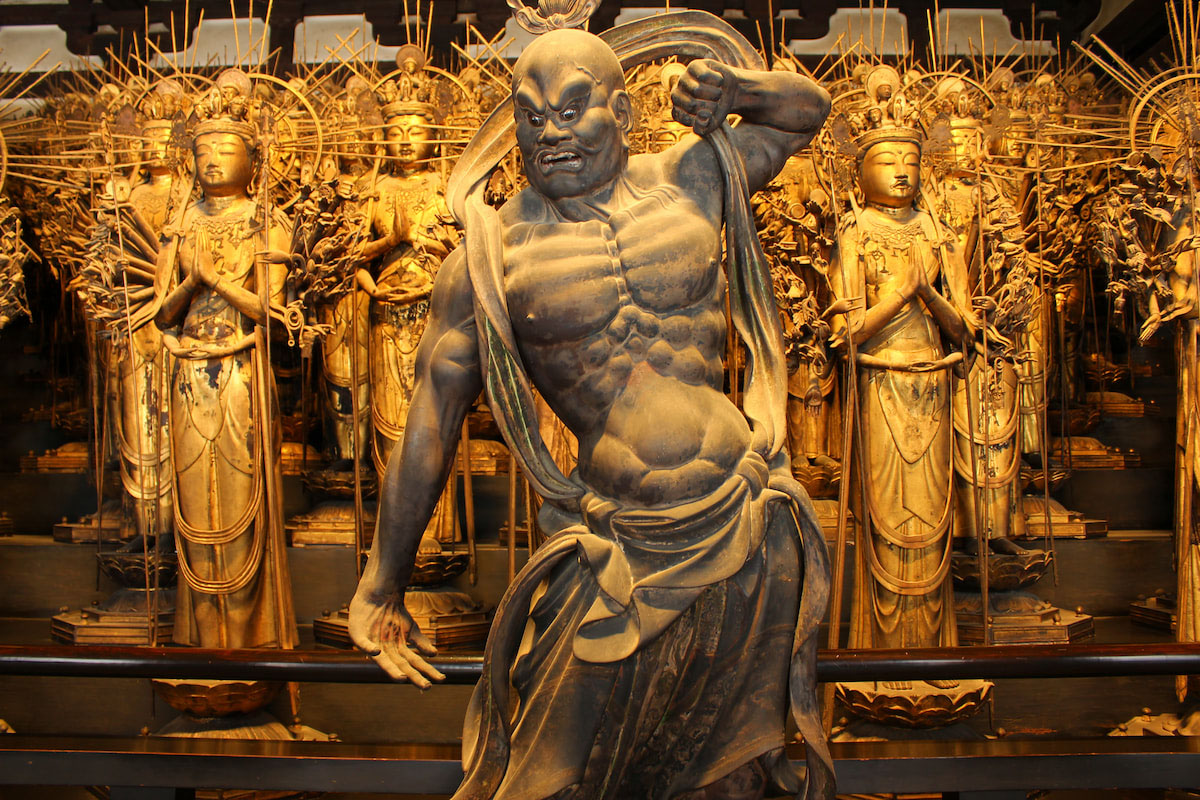
Next, visit Sanjusangendo, renowned for its 1,001 statues of Kannon, the Buddhist deity of compassion. The sight of the long wooden hall lined with these figures is both overwhelming and serene, offering a profound encounter with Buddhist devotion and artistry.

Free Time and Lunch (12:00–14:00)

The afternoon allows free time in Kyoto for shopping, personal sightseeing, or a casual lunch before departure. This is a final chance to enjoy the city at your own pace.

Departure (14:00–18:40)

Hotel pickup is arranged in the afternoon for transfer to the airport. Your flight departs in the evening, marking the conclusion of a journey through Japan’s Buddhist heartlands.

Included Meals Breakfast

Have questions about this trip?
We're here to helpーreach out today!

Koyasan & Kumano Kodo Buddhist Journey

A mindful journey into Buddhist heritage, exploring prayers, temples, and sacred cuisine.

Departure Date
Departure City
Travelers

Adults

Children

Ages 0 to 00

Your Name
Your Country
Your Email
Your Number
I agree to the collection and use of my personal information for the purpose of processing this inquiry.
I agree to receive promotional emails and updates about tours and experiences.