Deep Kansai

Discover the unseen side of Kansai through nature, art, food, and temples in Nara, Lake Biwa, and Kyoto. A journey to refresh your soul and deepen your cultural insight.

6Days / ~15PAX
Deep Kansai 1
Deep Kansai 2
Deep Kansai 3

Scrolled

Travelers who seek a deep, authentic understanding of Japan beyond the typical sightseeing routes.

  • Explore historical temples, natural landscapes, and local traditions.

  • Engage with locals through food, art, and spiritual experiences.

  • Ideal for those wanting slow, meaningful travel in Japan.

From $2,660

Please contact directly for application and pricing inquiries.

Tour Overview

This 7-day cultural journey takes you beyond the usual Kansai highlights to explore the deep traditions and serene landscapes of Nara, Lake Biwa, and Kyoto. Walk through ancient rice terraces, experience tea cultivation, meditate at centuries-old temples, and enjoy local delicacies deeply rooted in each region’s culture. Combining history, spirituality, and nature, this tour allows you to experience Japan’s heart and soul—where beauty lies in quiet simplicity and connection with the land.

TOPIC 1

Ancient Roots of Japan – Nara & Asuka

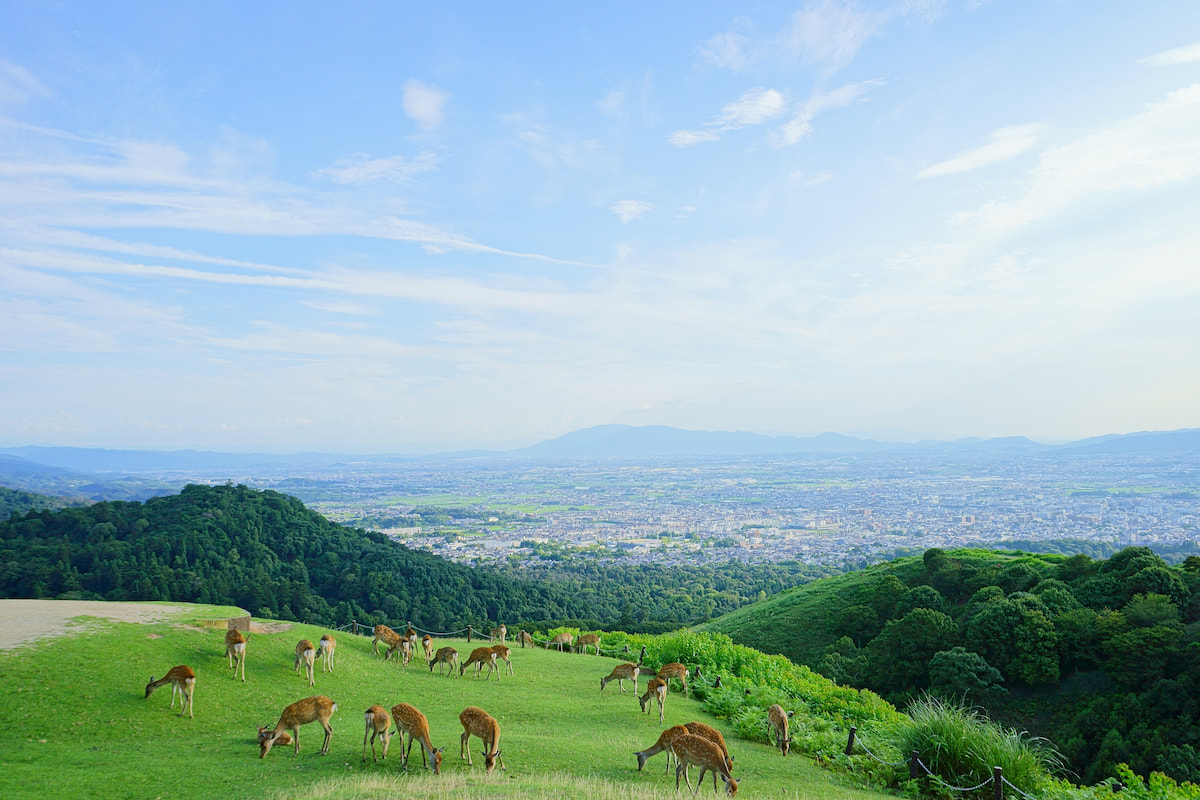
Discover the spiritual and cultural origins of Japan in Asuka and Nara, regions deeply connected to the nation’s earliest history. Wander through the Inabuchi Rice Terraces, visit the grand stone tomb of Ishibutai Kofun, and feel the sacred stillness of Oka-dera Temple. Enjoy a morning trek through Asuka’s countryside while tasting local ancient-style dishes and interacting with villagers. In Nara, encounter the famous deer at Nara Park, explore the magnificent Great Buddha of Todai-ji, and stroll through the nostalgic streets of Naramachi. These moments reveal how Japan’s heritage, spirituality, and harmony with nature have endured for centuries.

TOPIC 2

Lake Biwa & the Beauty of Nature

Surround yourself with tranquility at Lake Biwa, Japan’s largest and oldest freshwater lake. Visit the Lake Biwa Terrace for sweeping panoramic views and stay at a lakeside hotel where sunsets reflect softly over the water. Gentle walks along the shore and quiet evenings capture the Japanese concept of “wabi-sabi”—finding beauty in stillness and impermanence. Along the journey, discover artistic landscapes such as the Murou Art Forest, where nature and creativity merge into one. These peaceful encounters offer time for reflection, renewal, and appreciation of Japan’s natural rhythm.

TOPIC 3

Kyoto – The Living Tradition

Experience Kyoto’s timeless blend of elegance and tradition. From the serene Zen gardens of Nanzen-ji and the Path of Philosophy to the golden brilliance of Kinkaku-ji, every step unveils a chapter of Japan’s aesthetic heritage. Learn the art of tea cultivation at Obubu Tea Farms, savor authentic “kaiseki” cuisine at Shimogamo Saryo, and stroll through the Imperial Garden to feel the calm grace that defines Kyoto. Here, you don’t just see history—you live it through tea, architecture, and cuisine that embody harmony, respect, and refined simplicity.

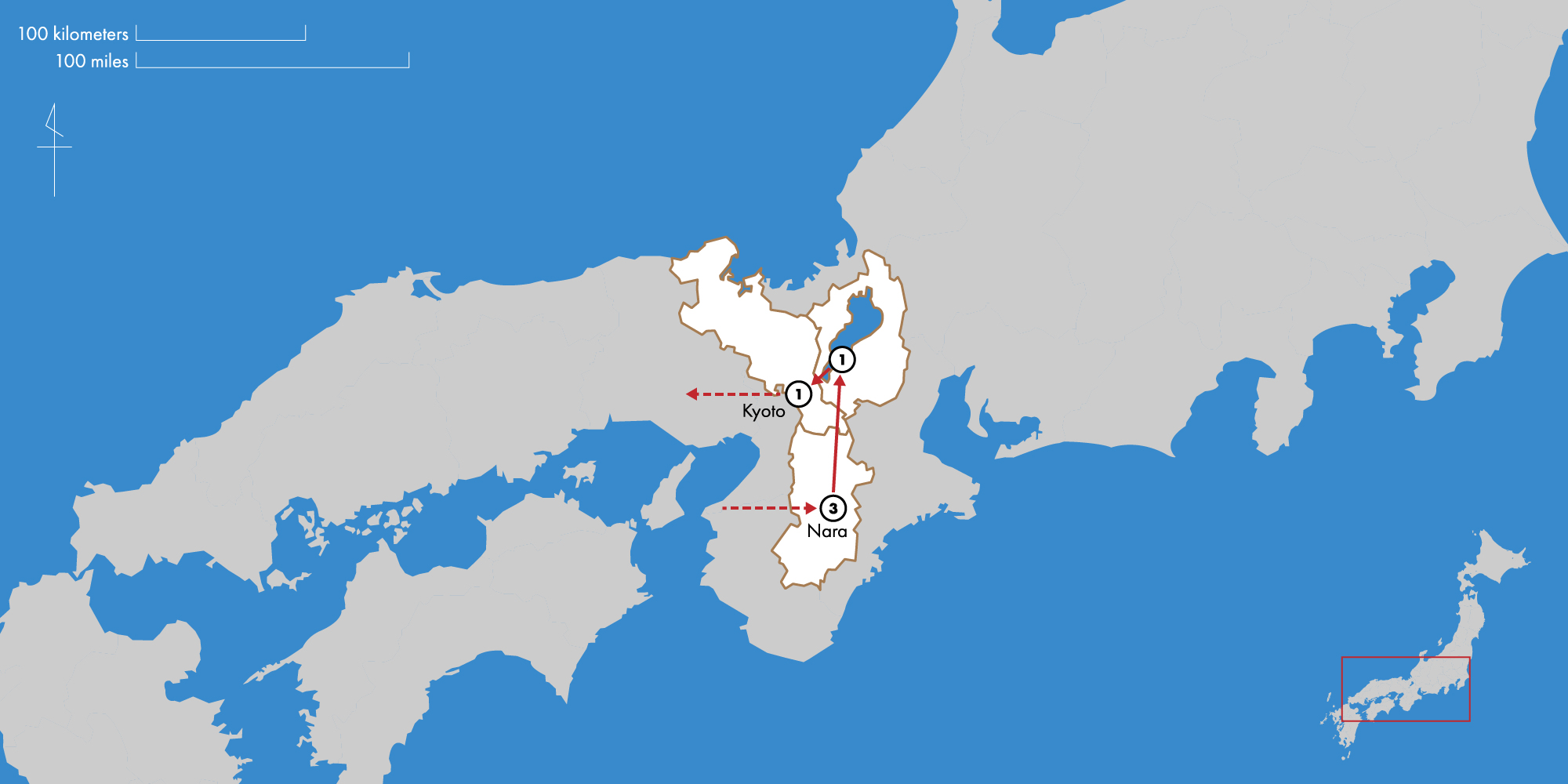
Tour map

Tour Itineraries and Details

Day 1

Discovering the Ancient Landscapes of Asuka

Day 1

Oku Asuka Sarara (12:30–14:00)

Begin your journey with a lunch experience at Oku Asuka Sarara, a local restaurant renowned for using seasonal ingredients from the fertile Asuka region. Each dish reflects the natural rhythm of the seasons, prepared with locally grown vegetables and regional specialties. This first meal sets the tone for your cultural immersion—simple yet elegant, highlighting the freshness and subtle flavors of rural Japanese cuisine. Surrounded by the calm landscape of the Asuka countryside, you’ll immediately feel the connection between food, nature, and tradition that defines this journey.

Rice Terraces of Inabuchi (14:15–14:45)

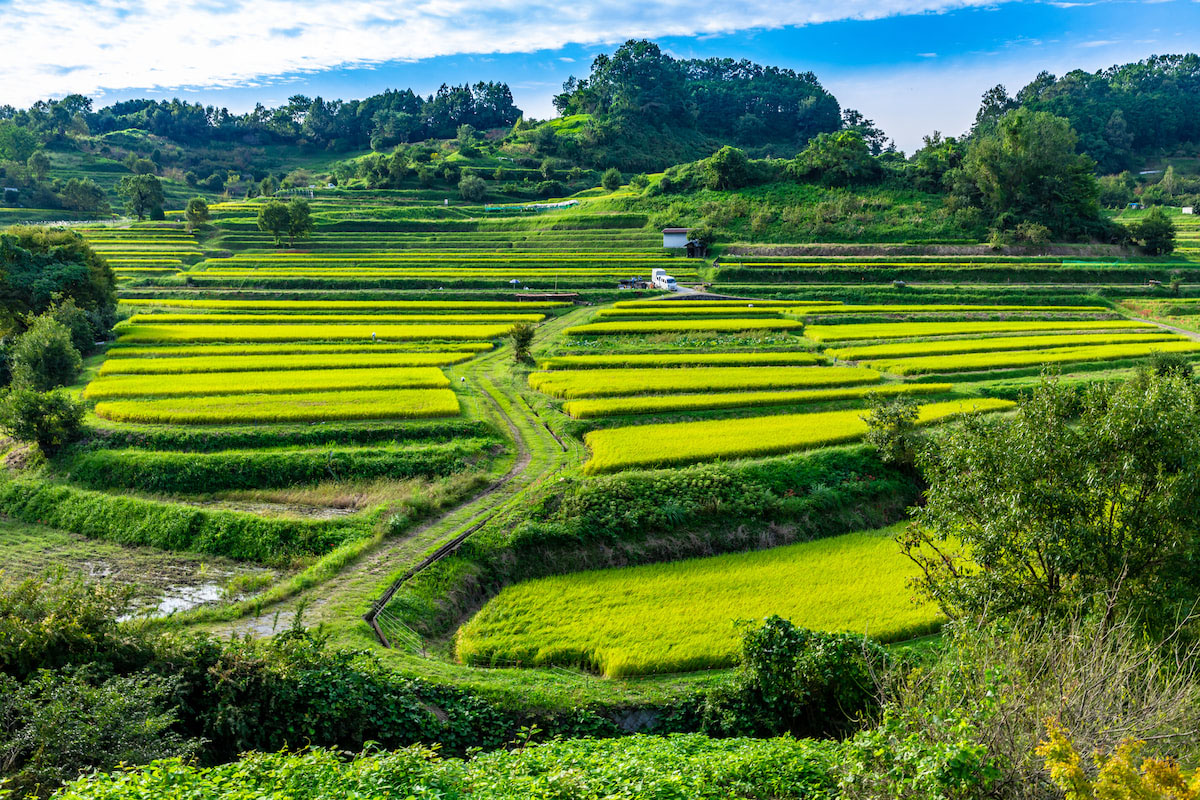
After lunch, stroll through the Inabuchi Rice Terraces, chosen as one of Japan’s top 100 terraced rice fields. Stretching across gentle slopes, these fields represent Japan’s long agricultural heritage and the beauty of harmony between human life and nature. Depending on the season, you’ll see vibrant greens, golden ripened fields, or mirrored waters reflecting the sky. It’s a perfect spot to appreciate the serenity of rural Japan and capture breathtaking photos that evoke timeless simplicity.

Ishibutai Kofun Tumulus (15:00–15:30)

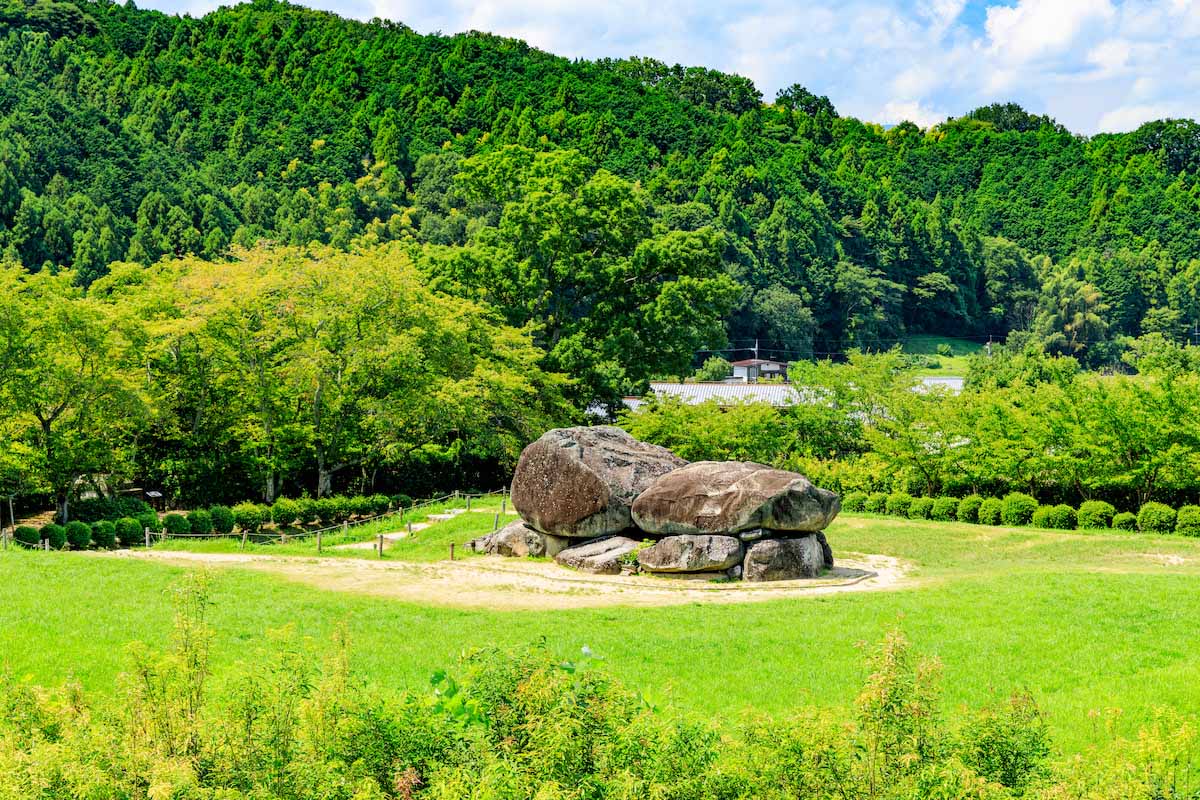
Next, visit the Ishibutai Kofun, a massive stone burial mound believed to date back to the 7th century. Thought to be the tomb of Soga no Umako, a powerful figure in early Japanese history, the site stands as a striking reminder of Japan’s ancient political and cultural development. The colossal stones—some weighing over 70 tons—form a chamber that visitors can enter, offering a rare glimpse into the engineering and beliefs of the Asuka period.

Oka-dera Temple (16:00–17:00)

Continue to Oka-dera Temple, one of Nara’s oldest Buddhist temples, surrounded by tranquil forests and overlooking Asuka village. Known as Japan’s first temple dedicated to the Medicine Buddha, it was founded in the 7th century and remains a place of deep spiritual power. Wander the temple grounds, breathe in the mountain air, and enjoy the panoramic view of the village below. The atmosphere encourages quiet reflection, offering a meaningful introduction to Japan’s long-standing spiritual traditions.

Hotel Nara Sakurai no Sato (17:30–)

Check in to Hotel Nara Sakurai no Sato, a comfortable retreat set amid the peaceful countryside. Enjoy dinner featuring regional ingredients, and unwind while reflecting on the day’s journey through Japan’s cultural origins.

Accommodation Hotel Nara Sakurai no Sato
Included Meals Lunch, Dinner

Day 2

Walking Through History in Yoshino

Day 2

Morning Trek in Asuka with Local Interaction (07:30–11:00)

Start your morning with a refreshing trek through Asuka’s countryside, a place where Japan’s ancient spirit still lingers. As you walk among terraced fields, narrow paths, and traditional farmhouses, you’ll encounter locals who continue to preserve the rhythms of rural life. Along the route, enjoy a simple breakfast featuring “Asuka’s ancient food,” a traditional style that reflects the ingredients and flavors of early Japanese cuisine. This morning walk is not only a physical journey but also a cultural exchange—one that connects you with the roots of Japan’s history, nature, and community.

Lunch at Heimune Yoshino (12:30–14:00)

After your morning trek, enjoy lunch at Heimune Yoshino, a long-established restaurant renowned for its kakinoha sushi—a regional delicacy of vinegared rice and fish wrapped in persimmon leaves. The gentle aroma of the leaves enhances the flavor and keeps the sushi fresh, reflecting local wisdom passed down through generations. Relax and savor this traditional meal while enjoying the peaceful ambiance of Yoshino, a town celebrated for its history and natural beauty.

Hike from Senbonguchi Station to Yoshinoyama Station (14:15–16:00)

Embark on a light hike from Senbonguchi Station to Yoshinoyama Station, tracing part of an ancient pilgrimage trail through Yoshino’s sacred mountains. This area has long been revered as a center of Shugendo, a mountain faith that blends Buddhism, Shinto, and ascetic practices. Along the trail, you’ll encounter centuries-old temples, traditional inns, and forest paths lined with cherry trees—especially stunning in spring. The gradual ascent rewards you with sweeping views over the valleys, offering both physical refreshment and spiritual calm.

Nakai Shunpudo Kuzu Workshop (16:00–17:00)

Visit Nakai Shunpudo, a traditional shop specializing in Yoshino-honkuzu (pure arrowroot starch). Learn the delicate and time-consuming process of refining this natural ingredient, a craft deeply rooted in Japanese cuisine and herbal medicine. Try your hand at making kuzu mochi, a translucent, gently sweet dessert that embodies the Japanese ideals of simplicity and purity. Through this hands-on experience, you’ll gain a deeper appreciation for the patience and precision behind Japan’s culinary traditions.

Yoshinoyama Scenic Hotel Hounkan (17:30–)

Check in to Yoshinoyama Scenic Hotel Hounkan, perched on a hillside overlooking the forests of Yoshino. Enjoy dinner prepared with locally sourced mountain ingredients, then unwind in the peaceful atmosphere of this scenic retreat surrounded by nature.

Accommodation Scenic Inn Hounkan
Included Meals Breakfast, Lunch, Dinner

Day 3

Art, Nature, and Serenity in the Mountains

Day 3

Murou Art Forest (10:00–12:00)

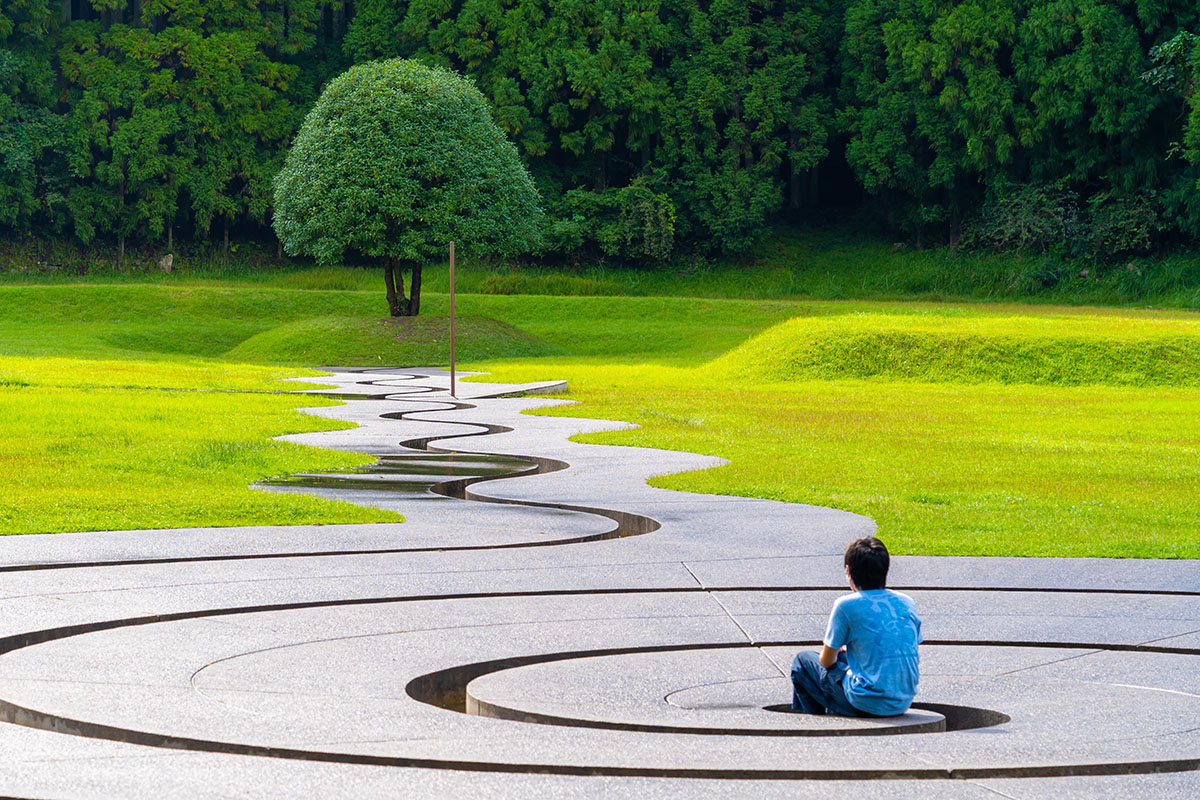
Visit the Murou Art Forest, a unique open-air facility where contemporary art installations harmonize with the surrounding forest. Each sculpture and artwork interacts with the landscape, blending human creativity with the tranquility of nature. Walking along the forest trails, you’ll sense the meditative rhythm of the environment—a space designed to inspire reflection and emotional calm. The concept of this park perfectly captures the Japanese philosophy of "shizen to tomo ni ikiru"—living in harmony with nature.

Lunch at Nakamuraya Ryokan (12:15–13:45)

Enjoy lunch at Nakamuraya Ryokan, a secluded inn nestled deep in the mountains, away from the busy Kyoto–Nara tourist route. Here, time moves at a slower pace. Seasonal dishes prepared with mountain vegetables and locally sourced ingredients are served in a tranquil tatami room, offering a genuine taste of rural hospitality. This quiet setting provides a rare opportunity to experience the subtle elegance of countryside life, where simplicity itself becomes luxury.

Ryujin Waterfall (14:00–15:30)

Continue your journey to the Ryujin Waterfall, a hidden gem surrounded by lush greenery. The name “Ryujin,” meaning Dragon God, reflects the ancient belief that water deities reside in natural springs and rivers. The gentle sound of falling water, combined with the crisp mountain air, creates a deeply soothing atmosphere. Spend time admiring the waterfall’s beauty and meditating on the harmony between nature and spirituality—an essential element of Japanese culture that endures even today.

Hotel Tenpyo Naramachi (17:30–)

Arrive in Nara City and check in to Hotel Tenpyo Naramachi, located in one of the city’s most charming historical districts. Enjoy a delicious dinner prepared with local specialties and take a quiet evening stroll through the lantern-lit streets of Naramachi. The district’s preserved machiya-style houses and peaceful ambience perfectly bridge Nara’s ancient traditions with modern comfort.

Accommodation Hotel Tenpyo Naramachi
Included Meals Breakfast, Lunch, Dinner

Day 4

Serenity by the Waters of Lake Biwa

Day 4

Kyoto Obubu Tea Farms Experience (09:30–11:30)

Begin the day with a hands-on tea experience at Kyoto Obubu Tea Farms, where you’ll learn the art of Japanese tea cultivation from passionate local farmers. Walk through the tea fields, discover the subtleties of tea leaves at different growth stages, and enjoy a tea-tasting session featuring sencha and matcha prepared by experts. This experience provides a rare opportunity to understand how tea represents mindfulness, respect, and seasonal harmony in Japanese culture.

Lunch at Aoki-Tei (12:00–13:30)

Continue to Aoki-Tei, a serene restaurant known for its elegant presentation and refined Kyoto-style cuisine. Dine in a traditional setting with views of a small garden, and enjoy dishes that highlight the seasonal bounty of the region—each plate delicately arranged like a piece of art. The peaceful atmosphere makes this lunch both a sensory and spiritual experience.

Lake Biwa Terrace (14:45–17:00)

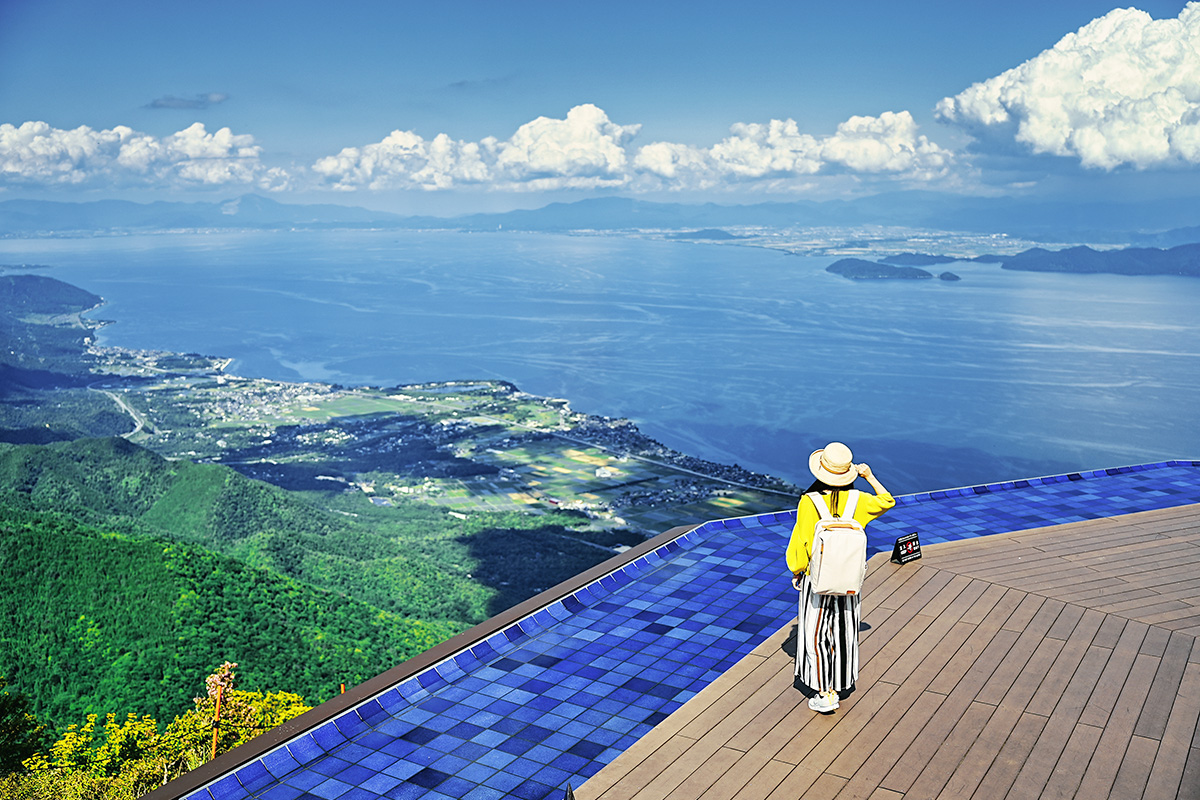
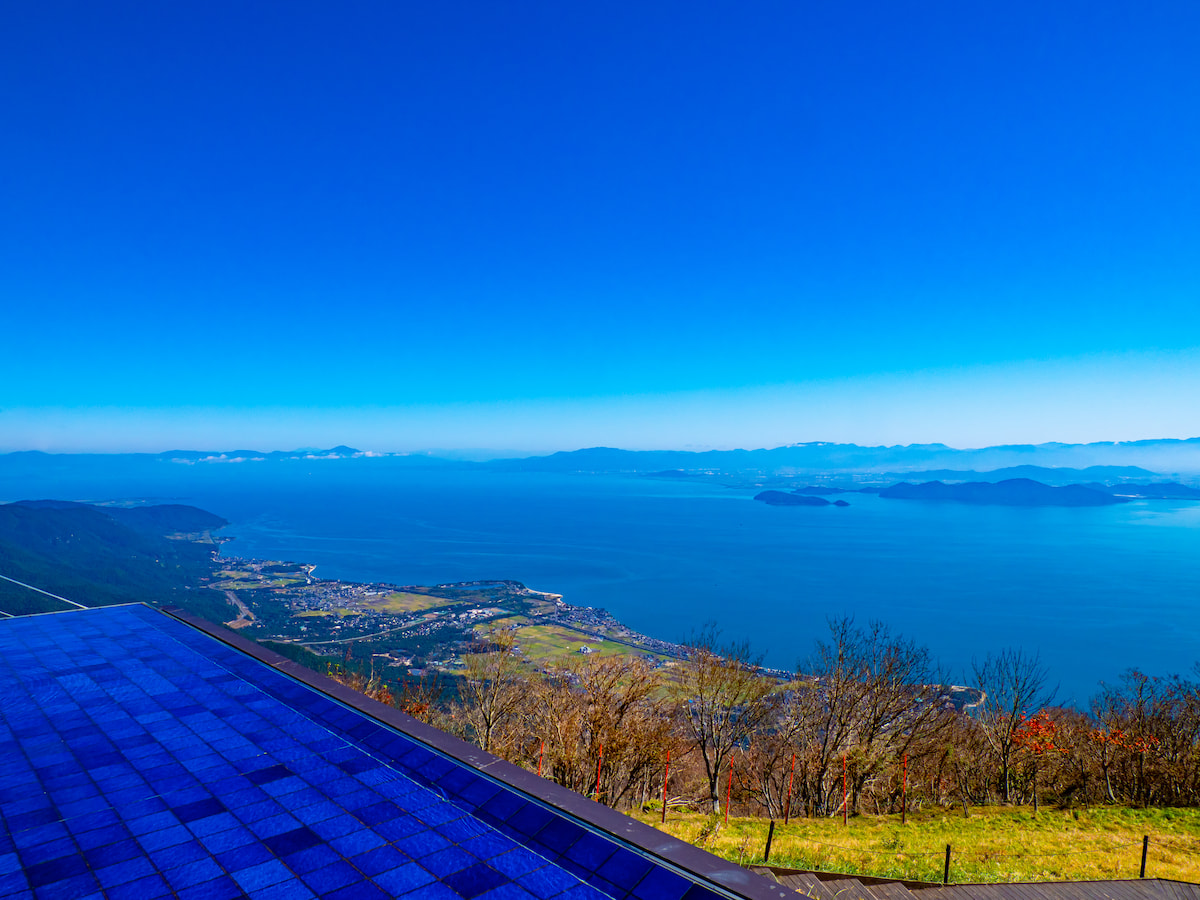
Travel to the Lake Biwa Terrace, located high above the lake with panoramic views of Japan’s largest freshwater expanse. From the observation deck, enjoy the breathtaking scenery of the shimmering blue waters and distant mountain ranges. Depending on the season, you might see cherry blossoms in spring, lush greenery in summer, or vivid autumn foliage reflected on the water’s surface. Take your time here to relax, breathe in the crisp air, and appreciate the stillness that defines the Japanese aesthetic of wabi-sabi—beauty in impermanence.

Biwako Hotel (17:30–)

Check in to Biwako Hotel, a lakeside retreat offering comfort, refined service, and stunning waterfront views. After a fulfilling day, enjoy a leisurely dinner featuring local Shiga specialties such as funazushi (fermented crucian carp) and Omi beef. Spend the evening strolling along the lakeshore or simply watch the reflections of city lights dance upon the water—an unforgettable moment of serenity by Lake Biwa.

Accommodation Biwako Hotel
Included Meals Breakfast, Lunch, Dinner

Day 5

Tranquil Paths and Zen Gardens of Kyoto

Day 5

Keage Boat Reservoir (10:00–10:30)

Begin your Kyoto exploration at the Keage Boat Reservoir, a historical waterway once used to transport goods between Kyoto and Lake Biwa. Today, the restored area serves as a peaceful walkway lined with cherry trees and vintage brick tunnels. This short stop beautifully introduces Kyoto’s harmony of history, industry, and nature—an ideal transition into the city’s cultural heart.

Nanzen-ji Temple and Eikando Zenrin-ji (10:45–12:45)

Visit Nanzen-ji Temple, one of Kyoto’s most important Zen temples, known for its vast wooden gates and quiet rock gardens. Continue to Eikando Zenrin-ji, famous for its elegant pagoda and vivid autumn foliage. Together, these temples offer insight into Japan’s Zen aesthetics—where architectural simplicity, natural elements, and deep spirituality blend seamlessly. Walk slowly, observe the moss-covered stones, and experience the meditative silence that defines Kyoto’s timeless charm.

Lunch at Meidai Omen Ginkakuji (13:00–14:00)

Enjoy a comforting lunch at Meidai Omen, a popular restaurant near Ginkaku-ji that specializes in handmade udon noodles served with seasonal vegetables and delicate dipping sauces. The light yet flavorful dishes embody the Kyoto spirit—refined, balanced, and mindful of nature’s rhythm. The relaxed atmosphere makes this meal a pleasant interlude between temple visits.

The Philosopher’s Path and Honen-in Temple (14:30–16:00)

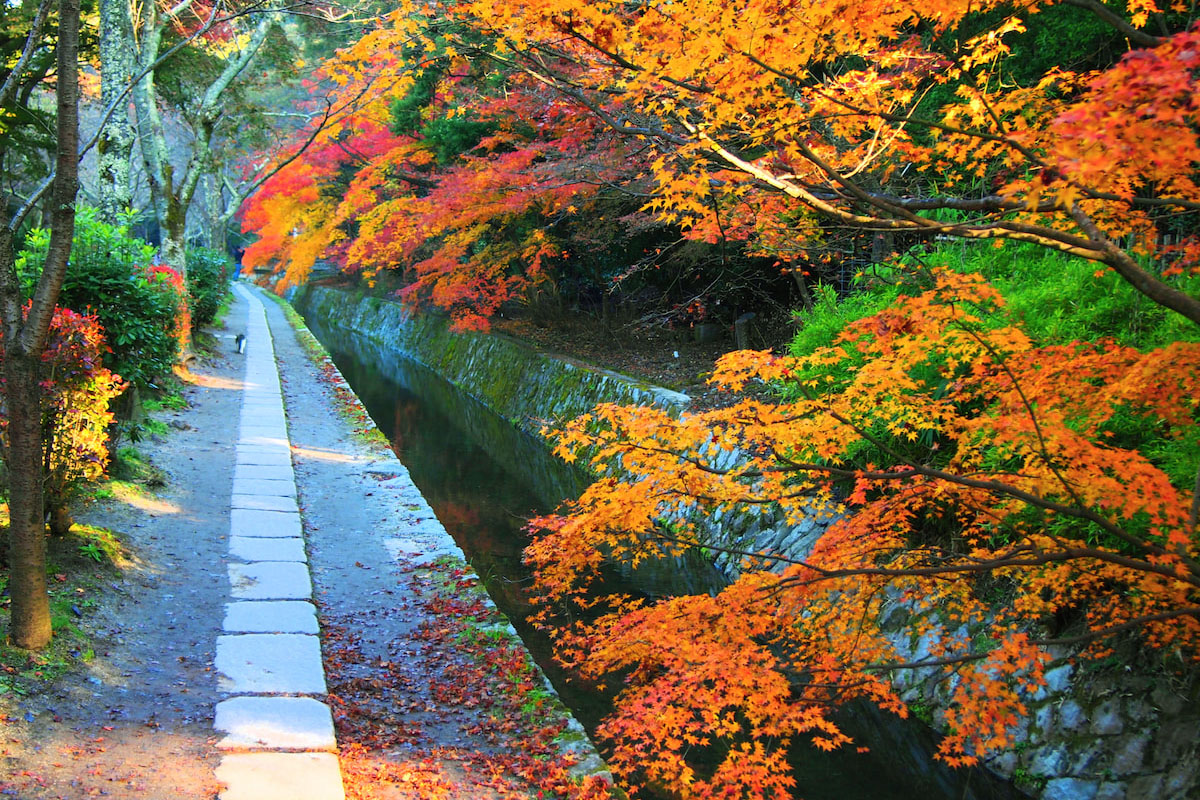
After lunch, take a peaceful stroll along The Philosopher’s Path, a canal-side walkway lined with cherry and maple trees. This trail was once frequented by Kyoto University philosopher Nishida Kitaro, who found inspiration in its calm beauty. Stop by Honen-in Temple, a hidden sanctuary featuring moss gardens, sand patterns, and wooden halls that exude quiet contemplation. This route captures Kyoto’s essence—where thought, art, and nature exist in quiet balance.

Kyoto Imperial Garden (16:15–17:00)

Continue to the Kyoto Imperial Garden, a vast green oasis surrounding the former Imperial Palace. Stroll through its meticulously maintained paths, ponds, and seasonal flora, which once provided respite to emperors and nobles. The spacious landscape and centuries-old trees invite visitors to slow down and breathe, offering a graceful contrast to the dense urban life beyond its walls.

Umekoji Potel Kyoto (17:30–)

Check in to Umekoji Potel Kyoto, a modern boutique hotel known for its stylish design and relaxing communal bathhouse. The hotel’s public bath (sento) provides an authentic Japanese wellness experience—perfect for soothing your body after a long day of walking. Enjoy a casual dinner and spend the evening unwinding in comfort, surrounded by Kyoto’s quiet sophistication.

Accommodation Umekoji Potel Kyoto
Included Meals Breakfast, Lunch, Dinner

Day 6

The Golden Glow and Refined Flavors of Kyoto

Day 6

Kinkaku-ji Temple (09:45–12:00)

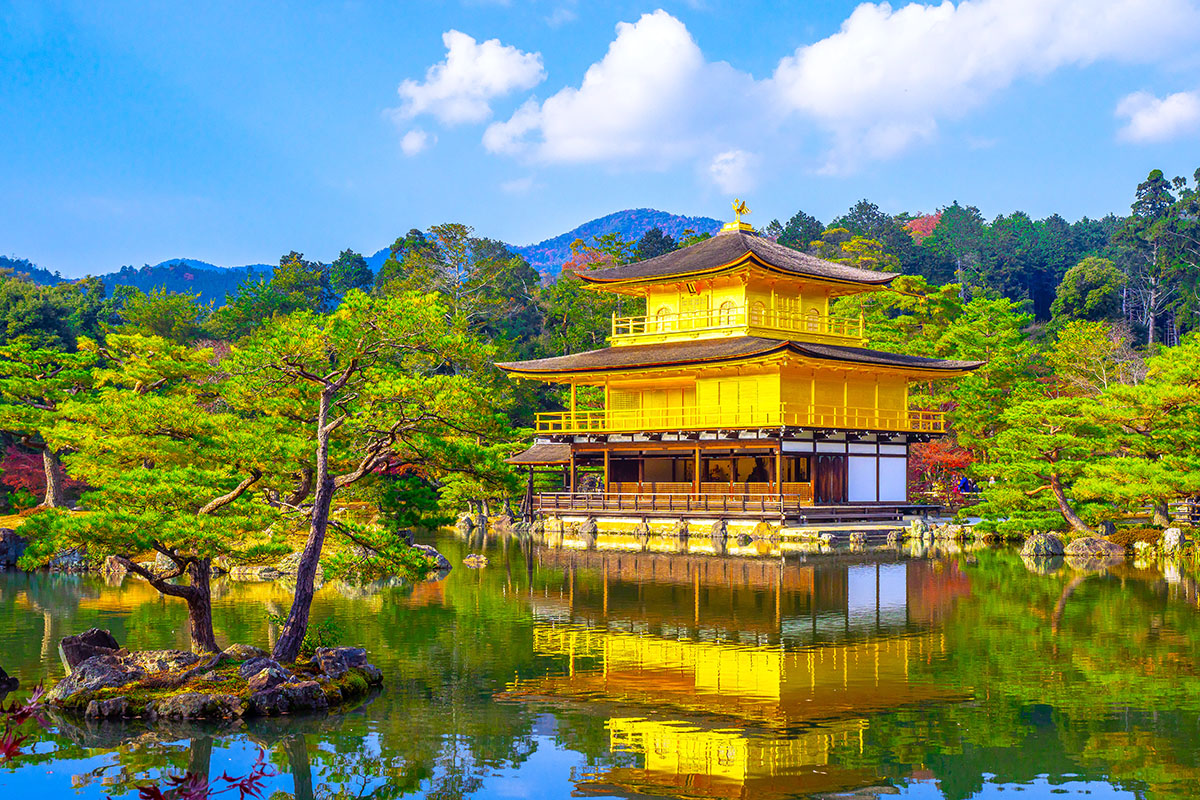
Visit the world-renowned Kinkaku-ji Temple, also known as the Golden Pavilion. Originally built in the 15th century, the temple’s top two floors are covered entirely in gold leaf, shimmering against the backdrop of lush gardens and a reflective pond. This Zen Buddhist temple symbolizes purity and impermanence, two key aspects of Japanese aesthetics. Take time to walk the garden paths, admire the intricate architecture, and appreciate the harmony between human craftsmanship and nature that defines Kyoto’s spiritual legacy.

Lunch at Sarasa Nishijin (12:30–14:00)

Head to Sarasa Nishijin, a café that occupies a beautifully renovated sento (public bathhouse). Its mosaic-tiled interior and retro charm create a nostalgic yet modern atmosphere unique to Kyoto. Enjoy a relaxed lunch of Western-Japanese fusion dishes made with local ingredients, paired with coffee or tea. The café’s creative energy and historical setting embody the way Kyoto continuously reinvents itself while preserving its cultural soul.

Kyoto Botanical Garden (14:30–16:30)

Spend your afternoon at the Kyoto Botanical Garden, Japan’s oldest and most diverse botanical collection. Stroll through themed gardens showcasing cherry blossoms, irises, maples, and seasonal flowers from across the country. The greenhouse exhibits tropical and alpine species, offering an inspiring contrast of colors and fragrances. This visit highlights Japan’s deep respect for nature and its delicate attention to the changing seasons.

Dinner at Shimogamo Saryo (17:30–19:30)

Conclude your journey with a refined kaiseki dinner at Shimogamo Saryo, an elegant restaurant nestled beside the ancient Shimogamo Shrine. Dine in a tranquil tatami room overlooking a traditional Japanese garden, where each course is a visual and culinary expression of Kyoto’s sophistication. Seasonal vegetables, local delicacies, and meticulous presentation embody the spirit of omotenashi—Japanese hospitality at its finest. As the evening light fades over the garden, you’ll feel the perfect harmony of taste, beauty, and emotion that defines the essence of Japanese culture.

Included Meals Breakfast, Lunch, Dinner

Have questions about this trip?
We're here to helpーreach out today!

Deep Kansai

Discover the unseen side of Kansai through nature, art, food, and temples in Nara, Lake Biwa, and Kyoto. A journey to refresh your soul and deepen your cultural insight.

Departure Date
Departure City
Travelers

Adults

Children

Ages 0 to 00

Your Name
Your Country
Your Email
Your Number
I agree to the collection and use of my personal information for the purpose of processing this inquiry.
I agree to receive promotional emails and updates about tours and experiences.