Japan Destinations

Koyasan & Kumano Kodo Buddhist Journey

A mindful journey into Buddhist heritage, exploring prayers, temples, and sacred cuisine.

shojin ryorikoyasankumano kodocultureworld heritagetemplezenhikingmeditationtraditionalnature

Who This Tour Is For

  • Ideal for those who wish to experience meditation, temple life, and Buddhist rituals.
  • Perfect for culturally curious travelers who value mindful and reflective journeys.
  • Recommended for visitors looking to explore Japan beyond sightseeing and into spiritual heritage.

7days / MAX 30PAX

For travelers seeking a deeper understanding of Japanese Buddhism.

From
$1,655/person
General Inquiry

Tour Overview

This seven-day journey immerses you in the spiritual heart of Japan, traveling from Osaka into the sacred mountains of Wakayama and Nara. Explore Koyasan, the center of Shingon Buddhism, and walk the ancient Kumano Kodo pilgrimage trails. Stay at temple lodgings, join morning prayers, and savor shojin ryori, the refined vegetarian cuisine of monks. Along the way, discover the cultural depth of Buddhist traditions through meditation, tea ceremony, and visits to historic temples such as Sanjusangendo. This tour offers not only exploration of UNESCO World Heritage Sites but also opportunities to connect with Japan’s living Buddhist culture in a meaningful and transformative way.

Koyasan – The Spiritual Heart of Shingon Buddhism
TOPICS 1

Koyasan – The Spiritual Heart of Shingon Buddhism

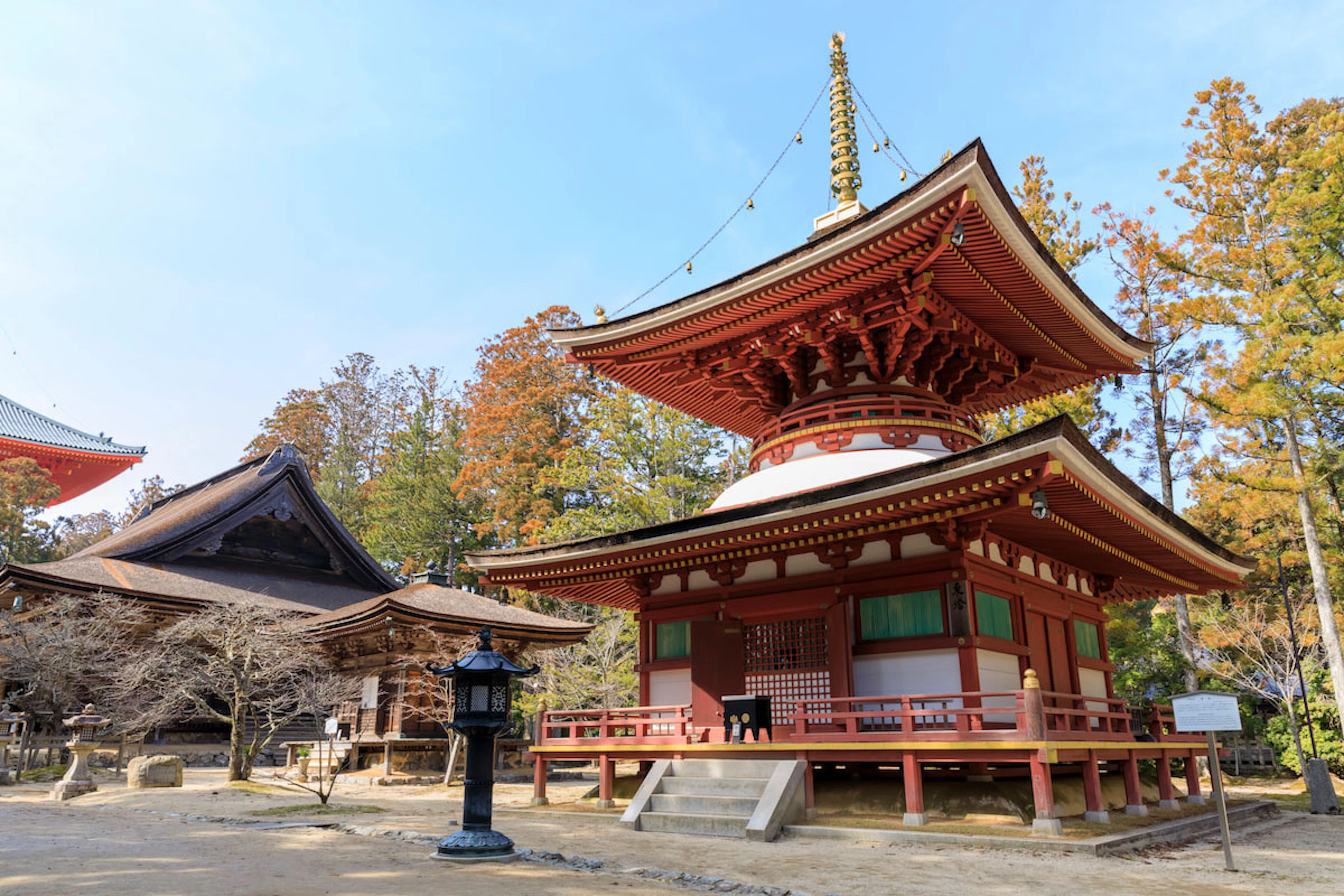
Mount Koya, or Koyasan, has been a sanctuary of Buddhist practice for over 1,200 years, founded by the revered monk Kobo Daishi. Tucked deep in the mountains of Wakayama Prefecture, this sacred area is home to more than one hundred temples and is regarded as the center of Shingon Buddhism. Visitors are welcomed into temple lodgings, where they can experience the rhythm of monastic life—rising early to join morning sutras, walking through temple gardens, and sharing meals with resident monks. Central highlights include Kongobu-ji, the head temple of Shingon Buddhism, and Danjo Garan, a temple complex where towering pagodas and halls symbolize the Buddhist universe. Most moving of all is Okunoin, the resting place of Kobo Daishi. Here, among moss-covered tombstones and lantern-lit pathways, the atmosphere is profoundly spiritual, evoking centuries of devotion and prayer. Strolling through Okunoin by night, guided by flickering lights and enveloped in silence, offers a rare glimpse into the continuity of Japanese faith. A visit to Koyasan is not just sightseeing—it is an immersion into a living Buddhist tradition that continues to shape the cultural and spiritual identity of Japan.

Kumano Kodo – Ancient Pilgrimage Pathways
TOPICS 2

Kumano Kodo – Ancient Pilgrimage Pathways

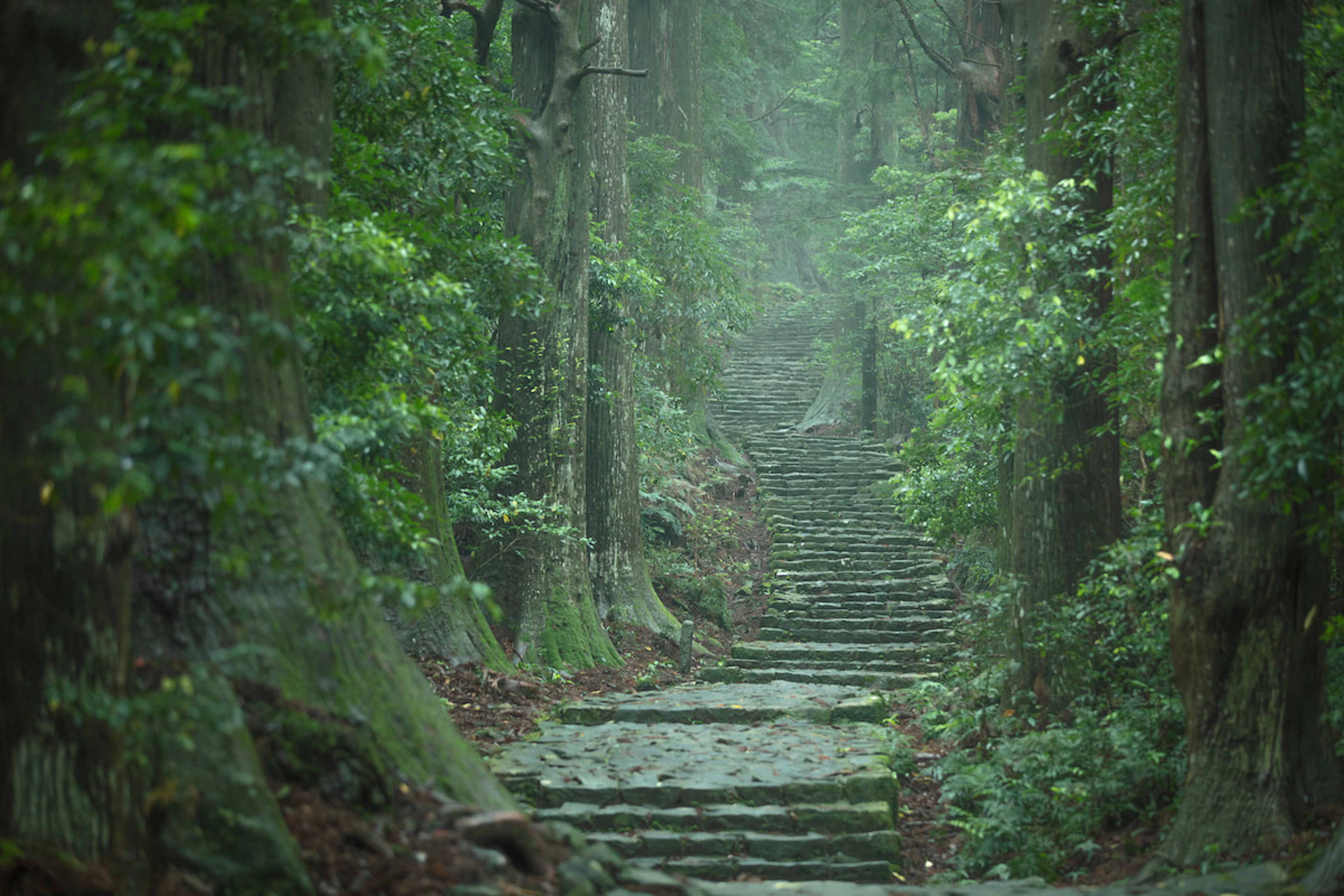
The Kumano Kodo pilgrimage routes trace their way across the rugged mountains of the Kii Peninsula, forming one of the world’s great sacred networks. For more than a millennium, emperors, aristocrats, monks, and common pilgrims have walked these paths in search of spiritual renewal. Today, they are recognized as a UNESCO World Heritage Site, not only for their history but also for the way they embody the fusion of Buddhism, Shinto, and local beliefs. Walking the Kumano Kodo is both a physical and spiritual journey—stone-paved trails wind through towering cedar forests, riverside villages, and mountain passes that test one’s endurance while nurturing contemplation. Along the way, pilgrims encounter small roadside shrines and wayside jizo statues, reminders that every step is part of a sacred passage. The route links the three grand shrines of Kumano—Hongu Taisha, Nachi Taisha, and Hayatama Taisha. Each shrine represents a facet of Kumano’s faith, blending Buddhist cosmology with Japan’s native spirituality. Among them, Nachi Taisha stands beside Japan’s tallest waterfall, a breathtaking backdrop that inspires awe and reverence. Walking the Kumano Kodo allows travelers to become part of an unbroken tradition of devotion, connecting body and spirit with nature and history in an unforgettable way.

Shojin Ryori – The Cuisine of Buddhist Tradition
TOPICS 3

Shojin Ryori – The Cuisine of Buddhist Tradition

Shojin ryori, the traditional cuisine of Japanese Buddhism, is far more than a style of vegetarian cooking—it is a philosophy of respect for all living beings. Originating in temple kitchens, this culinary tradition avoids meat and fish, instead highlighting seasonal vegetables, tofu, grains, and wild plants. Each dish is carefully crafted to balance the five colors, five flavors, and five methods of preparation, creating harmony on the table that reflects the harmony of the natural world. A typical meal may include sesame-dressed greens, simmered root vegetables, tofu skin (yuba), miso soup with mountain herbs, and delicately arranged pickles. Presentation is considered part of the spiritual practice: dishes are placed to echo seasonal change, the flow of rivers, or the quiet of a forest. Eating shojin ryori is not simply about nourishment but about cultivating mindfulness, gratitude, and awareness of the interconnectedness of life. Guests often describe the cuisine as surprisingly flavorful, subtle yet profound. To enjoy shojin ryori within the serene atmosphere of a temple or a traditional inn deepens the experience, offering not only insight into Buddhist values but also a moment of stillness and inner reflection. It is a meal that feeds both body and spirit, leaving a lasting impression beyond taste.

Tour map

Tour map

Tour Itineraries and Details